Invisalign Success Stories: Real Transformations
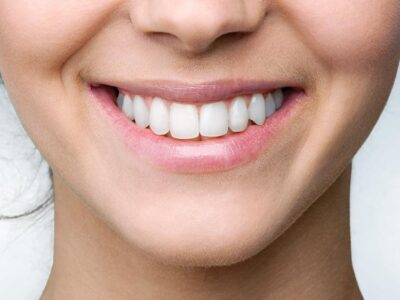
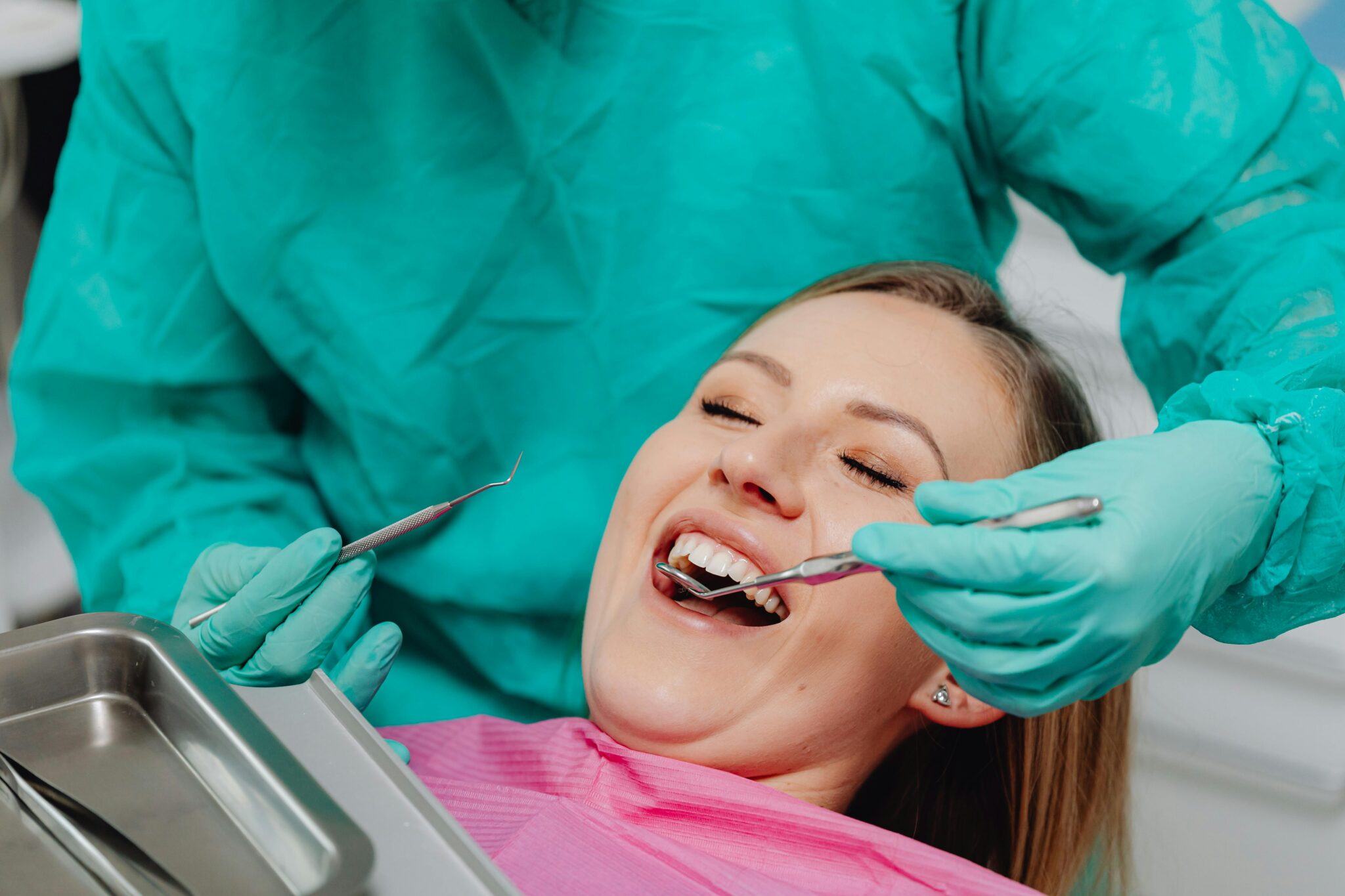
A good Invisalign story is rarely just about straighter teeth. It is usually about timing, discipline, self-conscious habits that have built up over years, and the quiet moment when someone sees their smile in a photo and realizes they are no longer trying to hide it.
That is what makes real transformations worth talking about. The trays matter, of course. So do the scans, attachments, refinements, and wear schedules. But the deeper change often shows up elsewhere. A college student stops covering her mouth when she laughs. A sales manager stops postponing headshots. A father in his forties finally fixes the crowding he has lived with since high school because he wants to address gum irritation before it becomes a larger problem.
When people hear the phrase “success story,” they often imagine dramatic before-and-after images. Those can be compelling, but the most useful stories usually include the ordinary details, what treatment felt like in week two, what happened when trays felt tight, how eating habits changed, why some cases moved quickly and others needed refinements. Realistic detail is what helps someone decide whether Invisalign is a good fit for their own life.
What counts as success with Invisalign
Success is not one fixed outcome. In practice, it usually falls into a few different categories.
For some patients, success means cosmetic improvement. Mild spacing closes, front teeth align, and the smile looks more balanced. For others, the bigger win is functional. Bite pressure evens out, overlapping teeth become easier to floss, and areas that trapped plaque become more manageable. In some cases, both happen together.
The strongest Invisalign results tend to share one common trait: the treatment goal matches what aligners can predictably do. That sounds obvious, but it matters. Invisalign can handle a wide range of cases, from straightforward alignment to more complex bite correction, yet not every mouth responds the same way. Tooth shape, bone support, existing dental work, gum health, and patient compliance all influence the result.
A successful case is not always the fastest case, either. Some patients finish close to the initial estimate. Others need refinement trays because one lower incisor lags behind or a bite needs final settling. Refinements are common and not a sign that treatment failed. In many offices, they are built into the planning process because biology does not follow software with perfect obedience.
The professional in her thirties who wanted subtle change
One of the most common Invisalign success stories starts with a patient who has delayed orthodontic treatment for years because traditional braces never felt workable. Often this is an adult with a visible job, someone who presents to clients, teaches, leads meetings, or appears on video regularly.
A typical example is a woman in her thirties with mild to moderate crowding in the upper front teeth and some rotation in the lower arch. She has wanted straighter teeth since college, but metal braces felt too conspicuous, and now she cannot imagine explaining brackets in every boardroom conversation. Her goals are clear: improve the front smile line, avoid interrupting work, and keep the process discreet.
Cases like this are often where Invisalign shines. The initial adjustment period can still be annoying. Speech may feel slightly different for a few days, especially with “s” sounds. Attachments can make the teeth feel textured. Removing aligners in a restaurant bathroom the first few times feels awkward. Then the routine settles in.
By the third or fourth month, the changes become visible in a way that feels motivating rather than dramatic. Crowded edges start to level out. Lip posture relaxes because the patient is no longer trying to minimize a crooked incisor in photos. At six to nine months, friends may comment that something looks different without immediately identifying why.
The transformation here is subtle but powerful. It is not the kind that shocks a stranger. It is the kind that changes how a person carries herself. That matters more than many people expect.
The teenager who needed structure, not just trays
Teen Invisalign stories can be excellent, but they depend heavily on fit. The product is not the issue. The daily behavior is.
Consider a teenager with moderate spacing and a deep overbite. The parents prefer Invisalign because their child plays sports, dislikes the look of braces, and has a school schedule packed with activities. Clinically, the case can be a good candidate. The real question is whether the teenager will wear aligners consistently enough to keep movement on track.
This is where the best success stories often involve systems, not motivation speeches. The families that do well usually create predictable routines. Aligners go back in immediately after meals. A travel toothbrush lives in the backpack. The teen knows that “I forgot” cannot become a daily pattern. Some orthodontists can track wear with compliance indicators or app-based check-ins, but technology only helps if the underlying habits are there.
When that structure is in place, the results can be excellent. A year later, the spacing is gone, the bite is healthier, and the patient has moved through treatment with fewer emergency visits than would be common with broken brackets or loose wires in traditional braces. Parents often appreciate that part almost as much as the cosmetic result.
When that structure is absent, progress stalls. Teeth stop tracking, trays stop fitting, and treatment time stretches. This is one of the most important trade-offs to understand. Invisalign offers flexibility, but flexibility can backfire if the patient treats the trays as optional.
A case where health, not vanity, drove the decision
Not every transformation begins with appearance. Some of the most meaningful Invisalign stories involve patients who are dealing with practical dental problems.
Picture a man in his mid-forties with lower front crowding that has worsened over time. He does not hate how his teeth look, but flossing the area is difficult, and his hygienist keeps pointing out plaque retention and early gum inflammation between overlapping teeth. He has one crown, some enamel wear, and no appetite for a highly visible orthodontic appliance.
This kind of case requires thoughtful planning. Adult teeth with years of wear, restorations, and minor recession deserve a conservative approach. The goal is not to force an Instagram-perfect arch. The goal is to create better alignment so cleaning improves and the bite functions more evenly.
Over the course of treatment, this patient often notices practical improvements first. Floss no longer shreds or catches as much. Brushing the lower front teeth becomes easier. There may be less pressure on a tooth that was taking excessive force during chewing. The cosmetic result is welcome, but the daily maintenance benefit is what sustains satisfaction.
These stories matter because they correct a common misconception. Invisalign is not merely aesthetic dentistry. Orthodontic movement can support long-term oral health when it is planned carefully and paired with realistic goals.
What patients usually underestimate
Most people underestimate two parts of Invisalign treatment: the consistency required and the smallness of the day-to-day change.
Teeth move slowly. That is good biology and good medicine. It also means progress can feel invisible for stretches, especially in the first several weeks. Patients who expect dramatic weekly changes may think nothing is happening, then compare photos from month one and month five and suddenly see the difference.
They also underestimate how often the trays shape daily behavior. Snacking tends to drop because removing aligners repeatedly becomes tedious. Coffee habits change because many patients do not want to sip slowly for hours with trays out. Some people lose a bit of weight during treatment, not because Invisalign is a diet plan, but because casual grazing gets less convenient. Others discover they need to plan meals more deliberately.
That trade-off is not good or bad on its own. It simply helps to know it upfront. Patients who do best usually adapt their routines early rather than fighting the process every day.
The bride who started too late, then still finished happy
A particularly common question in practice is whether Invisalign can deliver meaningful change before a wedding, reunion, or major work event. Sometimes yes, sometimes not enough, and the difference depends on the starting point.
Take a patient engaged to be married in ten months. She has one front tooth slightly tucked behind the other, minor lower crowding, and a narrow area of spacing near the canine. She wants a cleaner, more polished smile for photos but worries she has waited too long.
In a mild case, ten months can be enough for substantial improvement. The key is honest planning. A good clinician will separate what is probable from what is merely possible. Front tooth alignment may improve quickly. Fine bite detailing may take longer. Whitening or bonding might still be worth discussing after orthodontics if the patient wants the most refined cosmetic result.
The success story here is often about expectation management. If the patient enters treatment believing every detail will be perfect by the wedding date, disappointment is possible even if the smile looks significantly better. If she understands that the major visible concerns can be improved and the finish may continue afterward, she is far more likely to feel thrilled with the change.
A lot of orthodontic satisfaction comes from clarity at the start. Not hype, not promises, clarity.
Why some dramatic cases succeed with Invisalign and others should not force it
Marketing has made many patients assume Invisalign can replace braces in every scenario. Real clinical judgment is more nuanced.
Yes, there are complex Invisalign cases that end beautifully. Deep bites can improve. Significant crowding can unravel. Some crossbites and spacing patterns respond very well. Precision cuts, elastics, attachments, interproximal reduction, and staged movement have expanded what aligners can do. Experienced providers can achieve sophisticated results.
But complexity is not just about how crooked the front teeth look. Root position, skeletal relationships, periodontal status, and patient reliability all matter. A case with severe rotations, difficult vertical control, or a need for substantial tooth movement may still be better served by braces, or by a hybrid approach. That is not a knock on Invisalign. It is a sign of competent case selection.
The most credible success stories are not the ones where every patient is told yes. They are the ones where the provider is willing to say, “Invisalign can help, but here is where it may be less efficient,” or “Braces would likely give you a more predictable finish.” Patients remember that honesty.
A few patterns behind the best outcomes
Across age groups and case types, successful Invisalign patients usually share a handful of habits.
- They wear aligners for the recommended hours, typically around 20 to 22 hours a day unless told otherwise by their provider.
- They keep review appointments and say something early if trays stop fitting well.
- They understand that attachments, elastics, or small amounts of enamel reshaping may be part of a well-finished result.
- They clean their trays and teeth consistently, which reduces frustration and keeps the routine sustainable.
- They expect refinement trays if needed and do not treat them as a setback.
None of this is glamorous, but orthodontics rarely rewards glamour. It rewards repetition.
The patient who thought he was “too old”
One of the most satisfying transformations to witness is the adult who assumed the window had closed years ago. This idea still lingers, especially among people in their fifties and sixties who never had orthodontic treatment or whose teeth shifted after having braces decades earlier.
An older adult might come in because a lower front tooth has started to overlap more noticeably, or because an upper tooth has drifted and become more visible in photographs. Often the hesitation is emotional as much as practical. They do not want to seem vain. They wonder whether moving teeth at their age is even reasonable.
In many cases, it is, provided the gums and supporting bone are healthy enough and the treatment plan respects the condition of the dentition. Adult treatment may move more cautiously. Existing crowns, bridges, implants, wear facets, and recession require attention. Yet age alone is not a disqualifier.
The transformation for these patients is often surprisingly emotional. They may have spent decades dismissing the idea, only to find the process manageable and the result quietly life-changing. A straighter smile after fifty is not indulgent. It can improve comfort, hygiene, and self-perception in a way that feels deeply practical.
The refinement phase most people do not hear enough about
If there is one https://louisjwlh751.cloudhinter.com/posts/invisalign-checkups-how-often-will-you-visit-the-dentist stage patients are often unprepared for, it is refinement. They assume the first series of trays is the whole story. Sometimes it is. Often it is not.
Refinements are additional aligners prescribed after reassessment. Maybe one canine is not fully seated. Maybe the bite contacts are close but not ideal. Maybe the front teeth look good in photos, but the back teeth need better coordination for long-term stability. This is normal orthodontic finishing, not failure.
The emotional difference comes down to how the process is explained. If a patient has been told from day one that refinements are common, they tend to accept them calmly. If they expected a neat, software-perfect end point on the original timeline, they may feel frustrated.
Some of the best Invisalign success stories actually owe their quality to this finishing phase. The smile people admire at the end is often the result of those extra small corrections. Precision is built late.
What real transformations look like after treatment ends
The photo at the end of treatment is only one part of the story. The harder and more important question is what the result looks like a year later.
Retention is where many beautiful cases either hold or drift. Teeth have memory, especially in areas that were crowded or rotated. Without retainers, some degree of relapse is common. How much depends on the original case, patient biology, and how faithfully retainers are worn, particularly in the first months after active treatment.
This is where professional advice needs to be practical, not vague. Patients should know when to wear retainers, how to clean them, and what signs of relapse to watch for. If a retainer suddenly feels tight after a period of inconsistent wear, that is often an early warning. Addressing it quickly is much easier than trying to correct visible shifting later.
The patients who call Invisalign life-changing are not just the ones who finish treatment. They are the ones who protect the result.
Questions worth asking before you begin
If someone is considering Invisalign after seeing friends or family go through it, a few questions can sharpen the decision and set expectations.
- Is my case a strong candidate for Invisalign, or simply a possible candidate?
- What is the main goal here: appearance, bite improvement, easier hygiene, or a mix?
- How likely are refinement trays in a case like mine?
- What parts of the plan depend most on my compliance?
- What will retention look like after treatment?
Those questions tend to produce better conversations than asking only how long it will take or how much it will cost. Time and cost matter, of course. So does fit.
The thread that runs through nearly every good story
After enough years around orthodontic treatment, a pattern becomes obvious. The patients happiest with Invisalign are not necessarily the ones with the easiest cases. They are the ones who understand what they are committing to and why it matters.
Some begin treatment for cosmetic reasons and end up appreciating the health benefits more than expected. Others start because of function and are surprised by how much more confident they feel socially. Teenagers often learn consistency. Adults often learn that a long-postponed fix can be far less disruptive than they feared.
That is the real appeal of Invisalign success stories. They are not fairy tales about instant perfection. They are examples of small, repeated actions producing visible, durable change. A tray goes in after lunch. Another week passes. Teeth shift by fractions of a millimeter. Months later, the smile in the mirror feels more like the one the patient always expected to see.
For people considering treatment, that is the most useful transformation to understand. It is not magic. It is method, patience, and a plan that fits the person wearing it.
Omni Dental Specialty
Address: 1690 E Gonzales Rd, Oxnard, CA 93036
Phone number: +18053666000
FAQ About Invisalign
How much does Invisalign actually cost?
The out-of-pocket cost for Invisalign typically ranges between $3,000 and $8,000, with most patients paying a national average of roughly $5,100 to $5,700 before insurance.
What is the downside to Invisalign?
The biggest downsides to Invisalign are the intense discipline required to wear the trays 22 hours a day, the inconvenience of removing them to eat or drink, and the inability to fix severe, complex orthodontic issues.
Is $5000 a lot for Invisalign?
No, $5,000 is not considered a lot for Invisalign; it is exactly the national average. Treatment costs typically fall between $3,000 and $8,000, and $5,000 is the standard fee for a moderately complex case that takes 6 to 18 months to complete.