How Dental Crowns Help Maintain Jaw Function
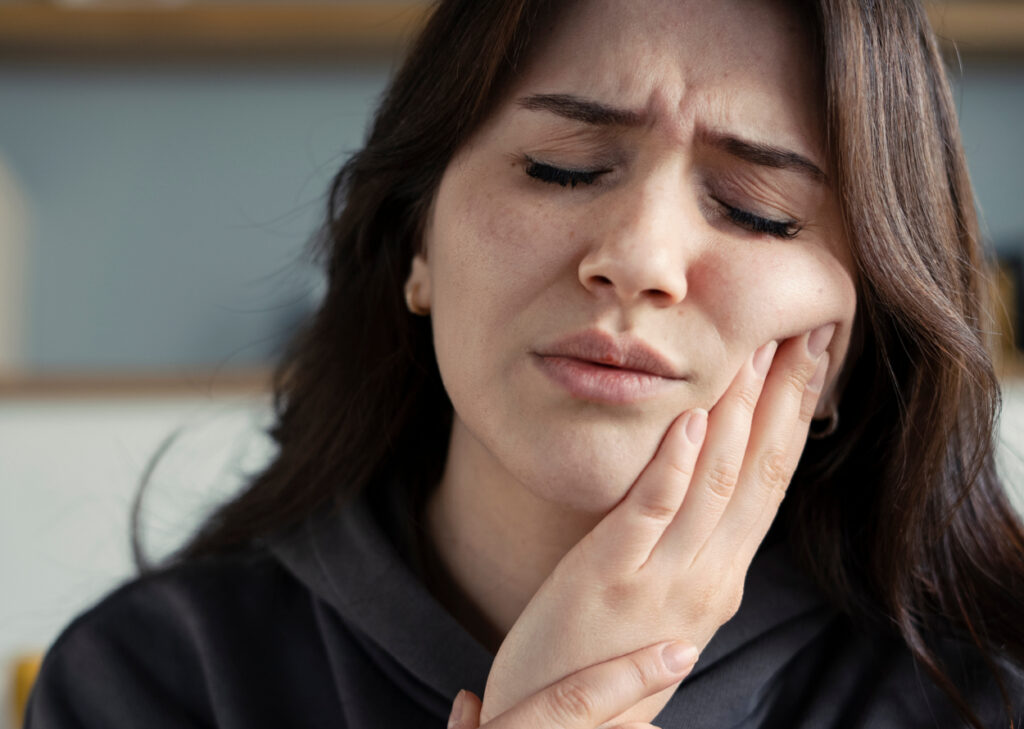
A dental crown is often described as a cap for a damaged tooth, which is accurate but incomplete. In practice, Dental Crowns do far more than improve how a tooth looks or protect what remains after a large filling, root canal, or fracture. They help preserve the mechanics of chewing, support a stable bite, and reduce the kind of compensations that can strain the jaw over time.
That connection between one tooth and the wider function of the jaw is easy to underestimate. Patients usually notice the obvious problem first: a cracked molar, a tooth that hurts when biting, or a back tooth so worn down that chewing on that side feels unreliable. What they often do not notice, at least not immediately, is how quickly the mouth adapts. They shift food to the other side. They chew more cautiously. They tense the muscles of the face and jaw to avoid a sharp spot or a weak cusp. Given enough time, those adaptations can lead to muscle fatigue, uneven wear, bite imbalance, and tenderness around the jaw joints.
A well-made crown can interrupt that cycle. By restoring the shape, height, strength, and contact pattern of a damaged tooth, it helps the mouth function more evenly again. The benefit is mechanical, not merely cosmetic. That distinction matters.
The jaw works as a system, not as isolated teeth
Chewing seems simple until something small goes wrong. The lower jaw moves through a coordinated pattern involving the teeth, chewing muscles, periodontal ligaments, tongue, cheeks, and temporomandibular joints, often called the TMJs. Each tooth has a role in guiding or receiving force. Posterior teeth, especially premolars and molars, bear much of the load during chewing. Front teeth guide certain movements and help protect the back teeth during side-to-side motion. When one tooth loses its proper form, the entire pattern can change.
That change may be subtle at first. A cracked cusp on a molar can make a patient avoid putting pressure there. A heavily broken tooth can collapse slightly under biting force or fail to meet the opposing tooth the way it should. A tooth that has lost too much structure after decay may still be present, but it no longer contributes reliably to the bite. In those situations, the jaw does not stop working. It adapts.
Adaptation is useful in the short term and costly in the long term. I have seen patients who insist they are doing fine because they can still eat, but their chewing pattern tells a different story. One side carries nearly all the work. The masseter muscle on that side feels overdeveloped and tender. The untouched side has less wear because it is barely used. Sometimes they report morning jaw tightness or headaches without realizing the original trigger was a tooth they stopped trusting months earlier.
Dental Crowns help because they restore predictability. When a tooth can take force again in a controlled way, the jaw no longer has to improvise around it.
What a crown restores that a filling sometimes cannot
Small and moderate defects can often be managed beautifully with direct fillings. Modern bonding techniques are excellent, and preserving natural tooth structure is always a worthy goal. But there is a practical limit. Once a tooth has lost enough enamel and dentin, especially in the back of the mouth, a filling may no longer provide the reinforcement needed to handle repeated chewing forces.
A crown covers and supports the remaining tooth structure. That full-coverage design allows the dentist and laboratory, or a chairside digital workflow in some cases, to rebuild several key features at once: the cusp anatomy, the biting table, the contact with neighboring teeth, and the way the tooth meets its opposite partner. Those details influence jaw function directly.
A large filling can replace missing material, but it does not always brace the remaining cusps well enough. Over time, the tooth may flex, crack further, or develop a bite pattern that feels unstable. A crown offers a more comprehensive reconstruction when the damage is extensive. For patients with fractured teeth, severe wear, large old restorations, or root canal treated molars, that added structural control is often what makes the difference between a tooth that survives and a tooth that remains a weak link in the bite.
The role of vertical dimension and bite support
One of the less visible ways crowns support jaw function is by preserving occlusal vertical dimension, essentially the height at which the upper and lower teeth relate when the mouth closes into function. This is not a single number that changes dramatically because of one tooth, but local collapse matters. If a heavily worn or broken tooth loses height, the neighboring and opposing teeth may begin to shift. The bite contacts change. The jaw muscles respond to a new pattern.
A single crown will not solve every complex bite issue, and it should not be treated as a magic fix for TMJ symptoms. Still, restoring a lost or weakened biting surface can help reestablish support where it has been compromised. That is especially important in the back of the mouth. Posterior support allows chewing forces to be distributed more efficiently. When that support disappears, front teeth and muscles may end up doing work they were not meant to do.
This matters in day-to-day life more than people expect. A patient who avoids chewing steak, crusty bread, nuts, or raw vegetables on one side may not describe that as a jaw problem. Clinically, it often is. The limitation comes from a breakdown in force management. A crown can restore a tooth to the point where those ordinary foods no longer require protective habits.
Why cracked and root canal treated teeth often need crowns
A cracked tooth does not just hurt. It changes how force travels through the crown of the tooth and into the root. Each chewing cycle can wedge the cracked segment apart. Patients often describe a sharp pain on release when biting, rather than on pressure alone. If that crack is limited and treatable, a crown can bind the tooth together and reduce flexion of the cusps, which in turn reduces pain and helps normalize function.
Root canal treated teeth raise a different issue. The treatment itself does not make a tooth brittle in a simple, dramatic sense, but these teeth are often already heavily restored and have lost substantial internal structure. They are at higher risk for fracture, particularly posterior teeth under load. A crown gives them a protective shell and restores usable anatomy. Without that protection, many patients continue to chew cautiously, even if the nerve pain is gone.
From a functional standpoint, the goal is not simply to save the tooth from extraction. It is to return that tooth to active service in a balanced bite. A back tooth that exists but cannot be trusted under pressure is not contributing fully to jaw function.
Crowns and the chain reaction that follows a compromised tooth
When a damaged tooth is left unrestored for too long, the consequences often spread outward. The neighboring teeth may drift slightly toward the space or defect. The opposing tooth may supraerupt, meaning it moves further out because there is no stable contact restraining it. Food traps develop. Gum irritation follows. Chewing becomes less efficient.
The jaw muscles then step in to compensate. The temporalis and masseter muscles can become overactive, especially in people who already clench or grind. Some patients develop a habit of holding the jaw slightly off-center to avoid one painful contact. Over time, that altered closure path can feel normal to them, even though it is mechanically inefficient.
This is where Dental Crowns are most useful when placed at the right time. They can stop a local defect from becoming a wider functional problem. The earlier a structurally compromised tooth is reinforced and reshaped properly, the better the chance of preserving a stable chewing pattern.
The crown has to be designed well, not just placed
Not every crown improves jaw function equally. Success depends on the quality of the diagnosis, the preparation, the material choice, and the final bite adjustment. A crown that is technically sound but slightly too high can create immediate trouble. Patients may feel they hit that tooth first, and the jaw will reflexively adapt to avoid it. That can produce soreness surprisingly quickly.
Likewise, a crown that is undercontoured or lacks proper anatomy may not support chewing effectively. If the chewing surface is too flat, food can be harder to manage. If contacts are too light, the tooth may not share force well. If contacts are too heavy, the tooth or its opposite partner may bear an unfair load.
A careful dentist checks more than whether the crown seats and looks acceptable. The bite should be evaluated in static closure and in movement. The crown should contact when it should, release when it should, and feel integrated into the patient’s natural chewing pattern. Sometimes this takes a minor adjustment at delivery. Sometimes it takes a follow-up visit after the patient has lived with it for a week or two. That is not a sign of failure. It is part of refining function.
Material choice can influence durability and comfort
Patients often ask whether one crown material is better for the jaw than another. The honest answer is that the best material depends on where the tooth is, how much space exists, what the patient’s bite forces are like, and whether they grind or clench.
Porcelain fused to metal, layered ceramics, monolithic zirconia, and lithium disilicate all have valid uses. For a heavy grinder with limited space on a second molar, a strong monolithic material may be the sensible option. For a visible front tooth, esthetics may drive the choice more strongly. The important point for jaw function is not brand loyalty to one material. It is whether the final restoration can maintain shape and contact under load without chipping, wearing unpredictably, or causing excessive wear to the opposing teeth.
That last point deserves nuance. Harder is not always better in every case. A very strong material used with poor occlusal design can still create trouble. Functional harmony depends on anatomy, polish, thickness, and bite adjustment at least as much as it depends on the material itself.
When a crown can help jaw discomfort, and when it cannot
Some patients arrive hoping a crown will cure jaw pain outright. Sometimes it helps a great deal, especially when the discomfort is being driven by a damaged tooth, an uneven bite contact, or prolonged one-sided chewing. Restoring the tooth can reduce muscle guarding and make chewing feel normal again.
Other times, the picture is more complicated. Jaw pain can arise from parafunctional habits, joint inflammation, disc issues within the TMJ, sleep-related bruxism, stress-related clenching, arthritis, or a mixture of several factors. In those cases, a crown may still be necessary for the tooth itself, but it should not be oversold as a standalone treatment for the jaw.
Good dentistry involves that kind of restraint. If a patient has diffuse muscle pain, multiple worn teeth, frequent headaches, and signs of grinding, the conversation may need to include a night guard, bite analysis, physical therapy input, habit awareness, or referral to an orofacial pain specialist. Crowns can be part of the plan, but they are not always the whole plan.
Signs a damaged tooth may be affecting jaw function
Patients rarely connect these symptoms right away, but certain patterns raise suspicion that a structurally compromised tooth is changing the way the jaw works:
- You chew mostly on one side because the other side feels weak, sharp, or unreliable.
- Your jaw muscles feel tired after meals, especially on one side.
- You avoid firm foods even though you are not in constant pain.
- A specific tooth feels like it hits first or throws off your bite.
- Morning jaw tightness appeared after a tooth fractured, wore down, or received a large filling.
None of these signs guarantees that a crown is needed, but together they often point toward a restorative and functional problem worth evaluating.
Crowns after tooth wear, not just after decay or fracture
One group of patients who benefit significantly from crowns are those with advanced tooth wear. This may come from years of grinding, acid erosion, a reduced salivary flow, or some combination of factors. The teeth become shorter, flatter, and less efficient at processing food. The jaw muscles may work harder because the chewing surfaces no longer interlock and guide movement effectively.
In mild wear cases, bonding or protective appliances may be enough. In more severe cases, crowns are used to rebuild lost tooth form and restore the bite in a controlled way. This is delicate work. Raising worn teeth too aggressively or without proper planning can create new problems. But when handled carefully, crowns can restore support that the jaw has been missing for years.
I have seen patients with extensive wear describe a very specific type of relief after rehabilitation. They do not always say, “My jaw is cured.” More often they say, “Chewing feels easy again,” or “I do not have to think about where my teeth meet.” That kind of effortless function is a strong sign that the bite is carrying force more efficiently.
Timing matters more than many patients realize
There is a common temptation to postpone a recommended crown if the tooth is not hurting much. Financial reasons are real, and patients often need time to plan treatment. But from a functional perspective, delay can narrow the options. A tooth that might be restorable with a crown today may become a split tooth or a non-restorable fracture later. A broken cusp can become recurrent decay under an old filling. A manageable bite issue can turn into a prolonged habit of one-sided chewing.
The window for ideal intervention is not always obvious to patients because the body compensates so well. Pain is a poor sole measure of urgency. Function often declines before pain becomes unmistakable.
That is especially true with back teeth. Molars can absorb a remarkable amount of abuse before they fail decisively. By then, the jaw may already have adapted around them for months or years.
What patients can do to help a crown protect jaw function long term
A crown is not maintenance-free. It is durable, but it still depends on the surrounding biology and on the forces placed upon it. Patients who want the longest and most functional result should pay attention to daily habits and follow-up care.
A few practical measures matter more than people think:
- Wear a night guard if you clench or grind and your dentist recommends one.
- Do not ignore a crown that feels high, loose, or suddenly sensitive when biting.
- Keep the gumline clean, because decay can still develop at the crown margin.
- Return for periodic exams so early wear or bite changes can be caught.
- Report changes in chewing habits, even if they seem minor.
These simple steps often determine whether a crown remains a quiet, functional part of the bite for many years or becomes the start of another cycle of breakdown.
The broader value of restoring a single tooth well
The most overlooked truth in restorative dentistry is that a single tooth can influence the comfort and efficiency of the entire chewing system. A crown is often recommended for local reasons, a crack, heavy breakdown, a root canal, severe wear, but the benefit is rarely confined to that tooth alone. Restoring proper contour and strength can stabilize the way the jaw closes, spreads force more evenly, and reduces the need for muscular compensation.
That does not mean every weakened tooth needs a crown, or that every crown will solve a functional complaint. Judgment matters. Conservative care matters. Precision matters. The best outcomes come from matching the restoration to the structural problem and to the patient’s actual bite dynamics, not from treating crowns as https://lukaslgfs190.theburnward.com/dental-crowns-for-tooth-fractures-a-practical-solution routine hardware.
When done well, Dental Crowns help preserve something patients value every day without thinking much about it: the ability to chew comfortably, evenly, and confidently. That is jaw function in its most practical form. It is not abstract, and it is not cosmetic. It is the foundation of normal oral use, meal after meal, year after year.
Oxnard Dentistry
Address: 1730 E Gonzales Rd, Oxnard, CA 93036
Phone number: +18056049999
FAQ About Dental Crowns Oxnard CA
How long do crowns last on teeth?
Dental crowns typically last 10 to 15 years, but can last 20 to 30 years with excellent oral hygiene. Lifespan depends heavily on the crown material, your daily brushing and flossing habits, and whether you clench or grind your teeth.
What is the downside of crowns on teeth?
The primary downside of dental crowns is that the preparation process is irreversible. To properly fit a crown, a dentist must permanently shave down a significant portion of your natural tooth enamel. This exposes the tooth to potential risks like nerve inflammation, increased sensitivity, and structural weakening.
Why do dentists push for crowns?
Dentists often recommend crowns to save a structurally compromised tooth. If a tooth is heavily cracked, worn down, or has a cavity too large for a filling, a filling will not provide enough structural support, causing the tooth to eventually split. Crowns act like protective helmets, preventing tooth loss.